What Retailers Should Know Before Deploying ESL Systems?
- Share
- publisher
- Sertag
- Issue Time
- Apr 27,2026
Summary
Before implementing an ESL system, retailers should understand several key factors to ensure a smooth rollout and long-term success.
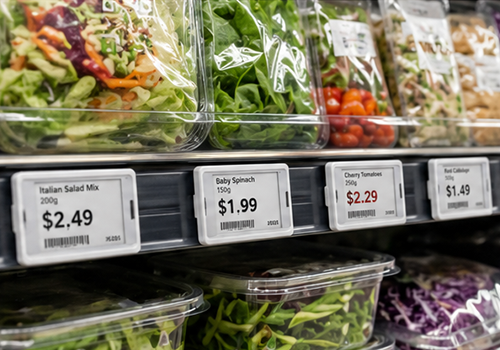
As retail becomes more digital and price changes more frequent, Electronic Shelf Labels (ESL) are quickly becoming a standard solution for modern stores. While the benefits of ESL are clear—real-time pricing, improved accuracy, and reduced labor—successful deployment requires careful planning.
Before implementing an ESL system, retailers should understand several key factors to ensure a smooth rollout and long-term success.
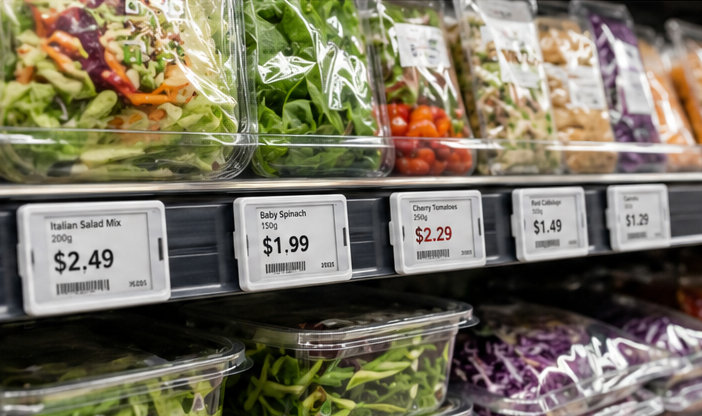
Choosing the Right ESL Hardware
Not all ESL labels are the same. Selecting the right hardware depends on your store type, product categories, and display requirements.
Key factors to consider include:
1) Screen size: Smaller labels (1.54'' –2.9'' ) are suitable for standard shelves, while larger displays (4.2'' and above) work well for promotional areas or bulk items.
2) Durability: For environments like fresh food or cold storage, labels should support low-temperature operation and higher protection ratings (e.g., IP-rated).
Choosing the right combination ensures better visibility and long-term reliability.
Communication Technology: 2.4G, BLE, or WiFi?
ESL systems rely on wireless communication to update labels. Different technologies offer different advantages:
1) 2.4GHz ESL systems: Stable, long-range, and widely used in retail chains
2) Bluetooth (BLE): Flexible and cost-effective for smaller stores
3) WiFi ESL: Suitable for specific applications but may consume more power
Retailers should evaluate store size, layout, and infrastructure before deciding on the communication method.
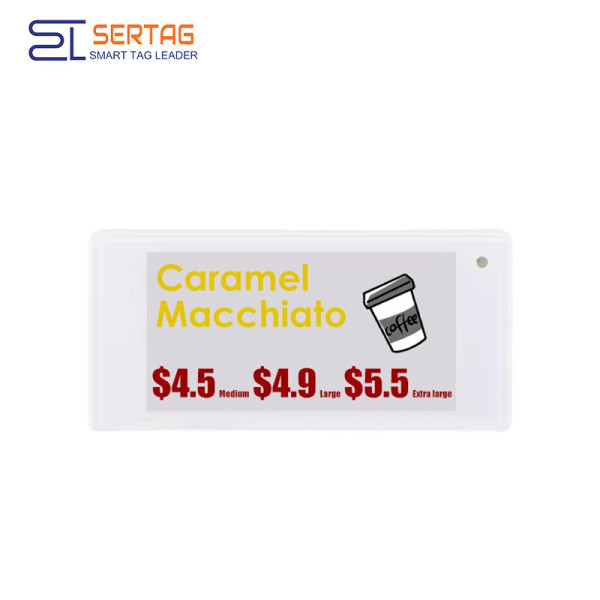
The 2.13 inch electronic shelf label uses 4-colaors e-ink display, support NFC, wireless firmware update, 8 usable pages.
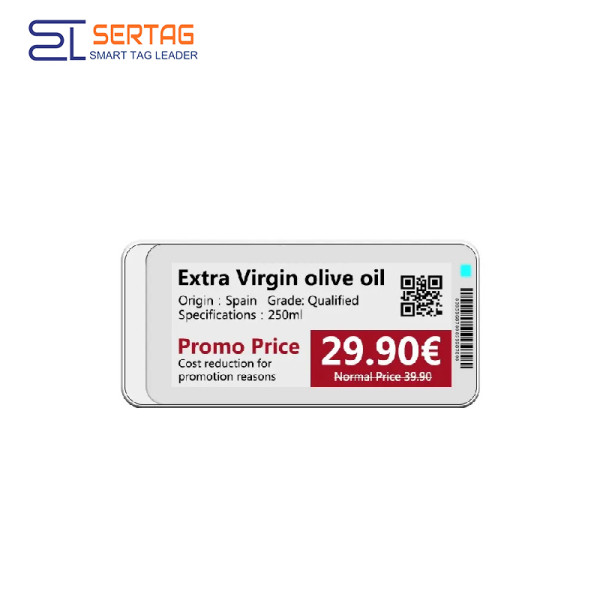
bluetooth 5.0 electronic shelf label,esl,digital price Tag
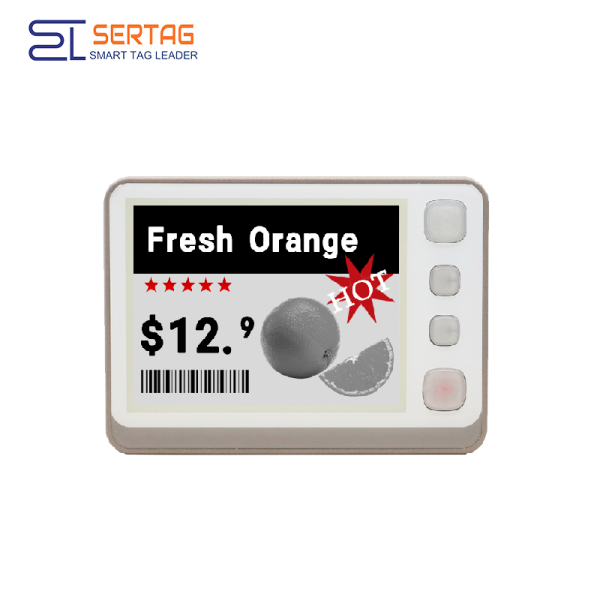
4.2inch Wi-Fi ESL price tags, no base station, type-C rechargeable, tri-color e-ink display, for grocery, supermarket.
Integration with POS and Backend Systems
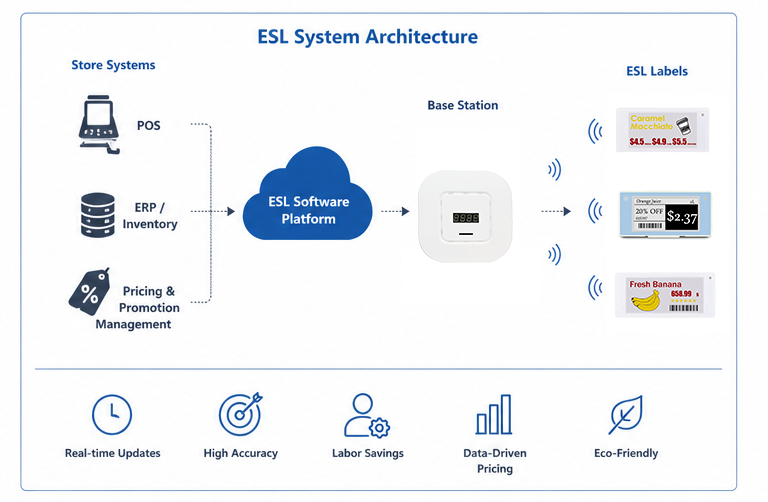
One of the biggest advantages of ESL is automation—but this depends on integration. Before deployment, retailers should ensure that the ESL system can integrate with:
1) POS (Point of Sale) systems
2) ERP or inventory management systems
3) Pricing and promotion management tools
A well-integrated system ensures that price updates are synchronized across all channels, reducing manual work and eliminating inconsistencies.
Store Layout and Installation Planning
A successful ESL deployment is not just about the technology—it's also about the physical setup.
Important considerations include:
1) Shelf types and mounting methods
2) Label placement for optimal visibility
3) Base station positioning for stable signal coverage
4) Power and maintenance accessibility
Proper planning can significantly reduce installation time and ensure smooth daily operation.
Software and User Experience
The ESL management platform plays a critical role in daily operations.
Retailers should look for systems that offer:
1) A user-friendly interface
2) Batch price update capabilities
3) Real-time monitoring and control
4) Template-based label design
The easier the system is to use, the faster staff can adapt and the more value the retailer can gain.
Scalability and Future Expansion
Retailers should also think beyond the initial deployment.
A good ESL system should be scalable, allowing:
1) Easy addition of new labels
2) Expansion to multiple stores
3) Integration with future technologies such as mobile apps or digital signage
Choosing a flexible system ensures long-term adaptability.
Deploying an ESL system is more than just replacing paper price tags—it's a step toward digital retail transformation.
By carefully considering hardware, communication technology, system integration, and operational needs, retailers can ensure a smooth implementation and maximize the benefits of ESL.
At Sertag, we provide a range of Electronic Shelf Label solutions designed to fit different retail environments—from small stores to large supermarket chains.
If you are unsure which solution fits your business, feel free to contact us at 📧 sales@sertag.com